How to choose the right Oaxaca market
The first thing to understand is that there isn't one single "best market in Oaxaca." The markets serve different purposes. Some are primarily about eating, others about crafts, and others are genuine local shopping centres where tourists are very much secondary to everyday commerce.
If you only have a couple of days in Oaxaca City, start with the two central markets: Mercado 20 de Noviembre for food and Mercado Benito Juárez for a broader mix of food, mezcal, snacks and shopping. Add Mercado de Artesanías if you want crafts. If your visit includes a Sunday, make time for Tlacolula — it is a completely different experience from the city markets.
Centro · Daily · Food + shopping
Benito Juárez
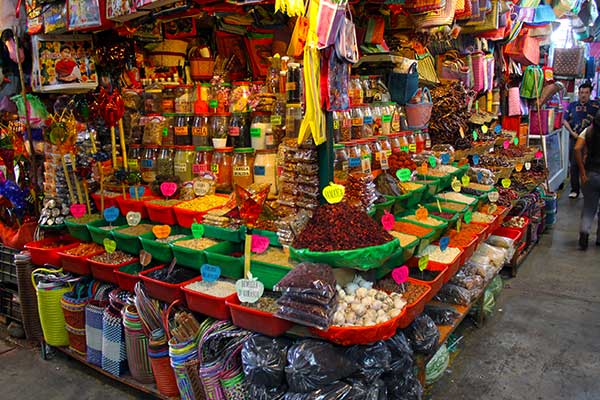
The classic all-rounder. Come for chapulines, mezcal, quesillo, tlayudas, dried chillies, sweets and a huge variety of everyday and regional products.
Centro · Daily · Gastronomy
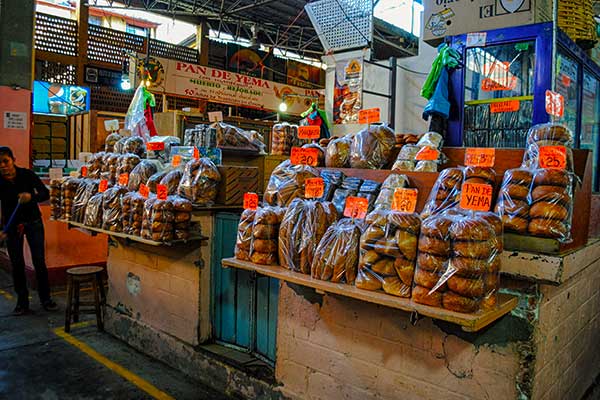
20 de Noviembre
The market to prioritise if food is your main reason for coming. The famous Pasillo de Humo is filled with grilled meats, while chocolate, bread and cheese have their own sections.
Centro · Daily · 9:30–19:30
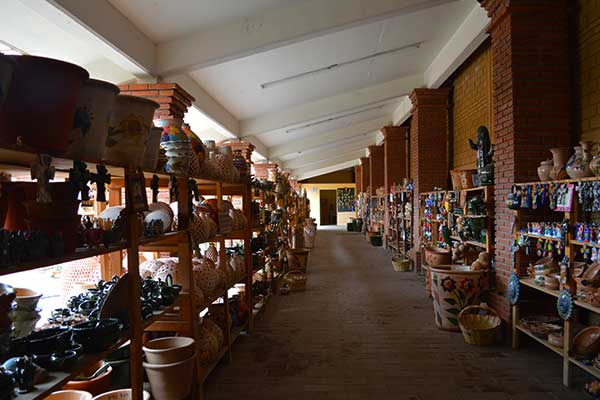
Mercado de Artesanías
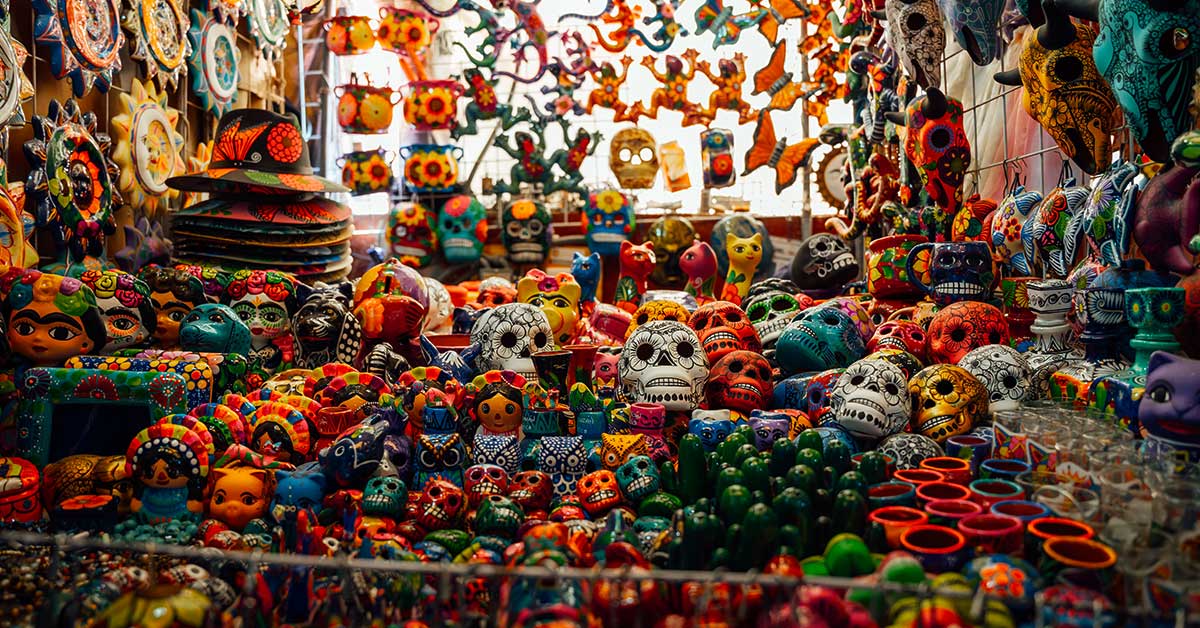
A practical introduction to Oaxaca's enormous craft tradition, with textiles, black clay, ceramics, wood carvings, jewellery, leather and palm products.
Sunday · Day trip · Regional market
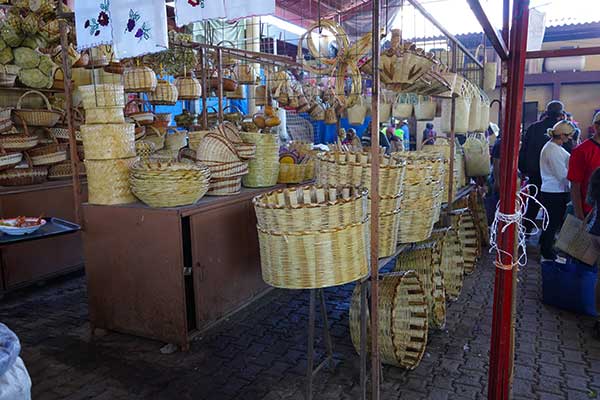
Tlacolula
The Sunday tianguis is the market to choose for a more regional experience. Producers arrive from surrounding communities with food, textiles, pottery, mezcal and agricultural products.
Mercado Benito Juárez — the classic first market
Mercado Benito Juárez sits in the centre of Oaxaca City and is one of the easiest markets to visit on foot from the Zócalo. It has been part of the city's commercial life for well over a century, and today its aisles sell everything from regional food and mezcal to clothing, shoes, flowers, crafts and household products.
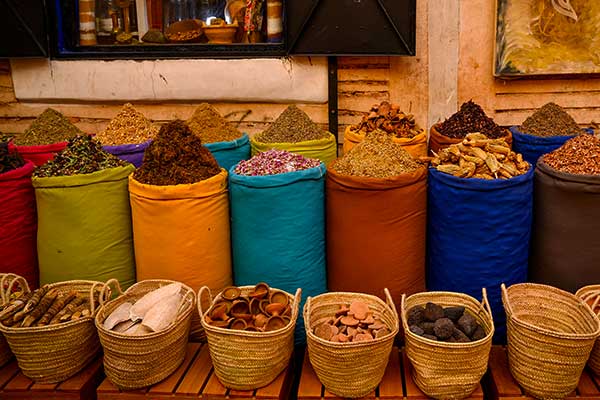
This is the market where you should simply wander. Don't arrive with a checklist and leave after ten minutes. Look at the dried chillies, baskets of chapulines, wheels and strings of quesillo, colourful sweets, regional breads and bottles of mezcal. The market's different sections reflect the regions and communities of Oaxaca, making it a useful introduction to the variety of the state.
It is also a good place to buy edible souvenirs. Chocolate, coffee, dried chillies, mezcal and packaged sweets are considerably easier to carry home than fragile pottery or textiles.
What tourists often get wrong
Benito Juárez is not a polished food hall. It is a working market. Some aisles are crowded, floors can be uneven, vendors may approach you, and prices are not always displayed. Treat it as a place of commerce rather than a curated tourist attraction and the experience becomes much more interesting.
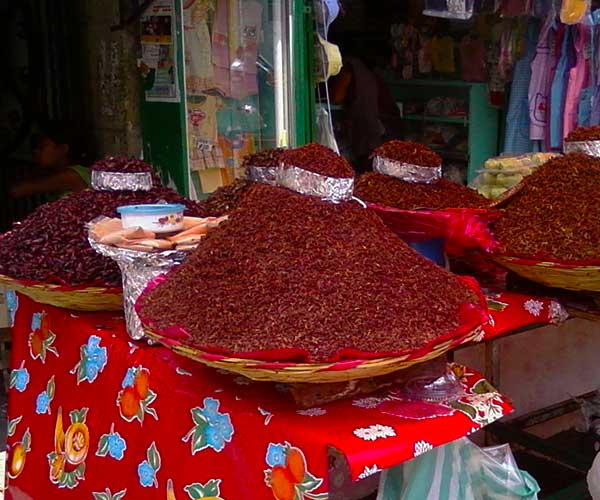
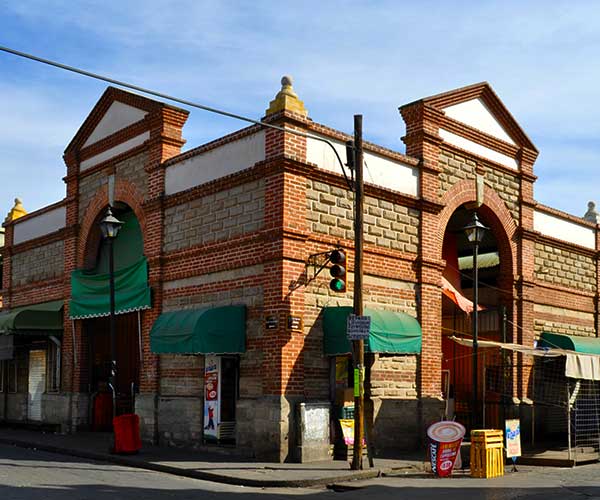
Benito Juárez is particularly good for seeing the everyday ingredients and products that define Oaxacan cuisine.
When to go to Mercado Benito Juárez
The official Oaxaca tourism information currently lists the market as open daily from 7:00 AM to 9:00 PM. For the liveliest atmosphere without making the experience unnecessarily difficult, go in the morning or around lunchtime. :contentReference[oaicite:1]{index=1}
Mercado Benito Juárez — Key Facts
- Location20 de Noviembre & Las Casas · Centro
- Current listed hoursDaily · 7:00 AM–9:00 PM
- Best forFood · mezcal · snacks · local products
- TryChapulines · quesillo · chocolate · tlayudas
- Time to allow45–90 minutes
- Good for souvenirs?Yes · especially edible products
Mercado 20 de Noviembre — Oaxaca's food market
If you only visit one market because you want to understand Oaxacan food, make it Mercado 20 de Noviembre. It is next to Benito Juárez, so the two are extremely easy to combine, but the atmosphere and focus are different.
The headline attraction is the Pasillo de Humo, or Smoke Corridor. Vendors grill tasajo, cecina, chorizo and other meats over open grills while customers choose their meat and accompaniments. The smoke is part of the experience — and it is also why you may want to avoid wearing your favourite clothes if you are particularly sensitive to cooking smells.
Beyond the smoke corridor, explore the chocolate section, the bread aisle and the cheese stalls. Oaxacan chocolate is traditionally made with cacao, sugar, cinnamon and almonds, while quesillo — the famous stringy cheese — is one of the state's most recognisable ingredients.
How to order at the Pasillo de Humo
Take a little time to watch how the system works before ordering. Choose the meat you want, then follow the vendor's instructions for tortillas, salsa and accompaniments. If you are unsure, asking what is most popular is usually more useful than ordering the first thing you see.
Don't leave without exploring beyond the smoke corridor
The Pasillo de Humo gets most of the attention online, but the market is much larger than that one aisle. Look for traditional bread, chocolate, cheese, mezcal and regional ingredients. The market's long history is also part of its appeal: it developed from a 19th-century commercial space and remains an important meeting point for locals and visitors. :contentReference[oaicite:2]{index=2}
Mercado 20 de Noviembre — Key Facts
- Location20 de Noviembre & Mina · Centro
- Current listed hoursDaily · 7:00 AM–6:30 PM
- Best forTraditional Oaxacan food
- Must-see sectionPasillo de Humo
- Also look forChocolate · bread · cheese · mezcal
- Time to allow60–90 minutes
Mercado de Artesanías — where to shop for Oaxacan crafts
Oaxaca is one of Mexico's most important craft regions, and Mercado de Artesanías is the easiest place in the city to get an overview without immediately travelling into the surrounding villages.
The market, officially known as Mercado José Perfecto García, is located on Ignacio Zaragoza near the historic centre. Its stalls include textiles, huipiles, rebozos, rugs, wood carvings, black clay, red clay, ceramics, jewellery, palm products, leather and traditional tin work.
The important distinction is that this is a market, not a museum. Pieces vary enormously in quality, origin and price. If you are buying something significant, ask where it was made, who made it and what material or technique was used. For higher-value purchases, a specialist workshop or cooperative in the producing village can offer more context than a general city market.
Before buying expensive crafts
Don't assume that every colourful "Oaxacan" item was made locally or by the person selling it. If provenance matters to you, ask direct questions. For serious purchases, compare several stalls before committing and keep receipts for higher-value items.
The current Oaxaca cultural information lists the market on J. P. García at the corner of Zaragoza and describes textiles, ceramics, black clay and other crafts as its main products. A 2026 cultural directory lists daily opening hours in the broad midday-to-evening range, so check locally if you are planning your visit around a specific time. :contentReference[oaicite:3]{index=3}
Tlacolula Sunday Market — the one worth leaving Oaxaca City for
Tlacolula is different from the central Oaxaca markets. This is not simply another place for tourists to buy souvenirs. The Sunday tianguis brings together producers and sellers from communities across the Central Valleys, creating one of the most substantial traditional market experiences near Oaxaca City.
Expect fruit, vegetables, chillies, seeds, handmade tortillas, bread, pottery, palm crafts, textiles, mezcal and much more. You will also see people buying and selling agricultural products and animals — a reminder that this is a functioning regional market, not a market designed around tourism.
The official Oaxaca tourism site describes the Sunday market as one of the state's busiest and best-stocked tianguis, with sellers arriving from communities including San Marcos Tlapazola, San Juan Guelavía, San Lucas Quiaviní and Magdalena Teitipac. :contentReference[oaicite:4]{index=4}
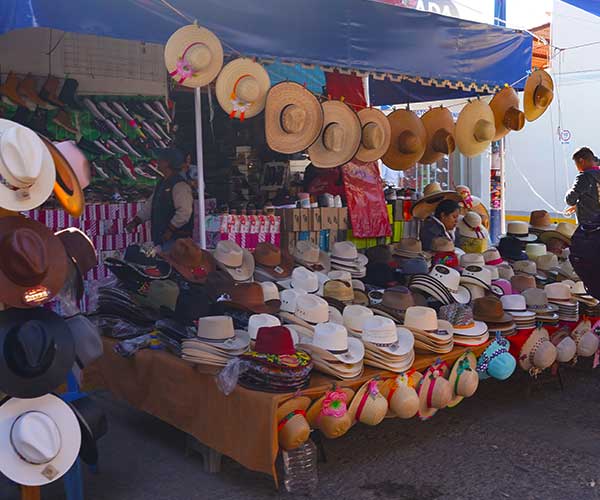
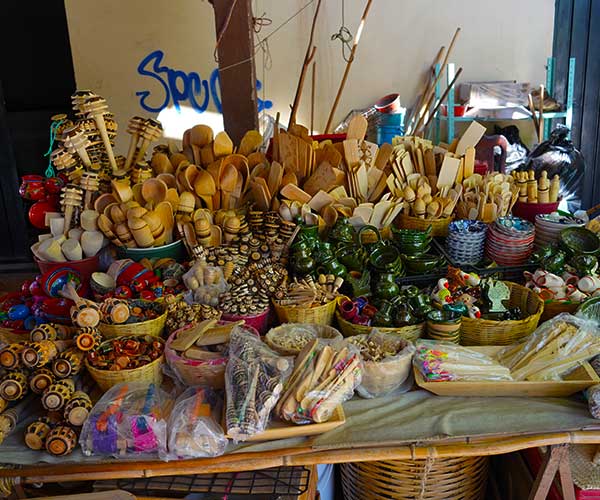
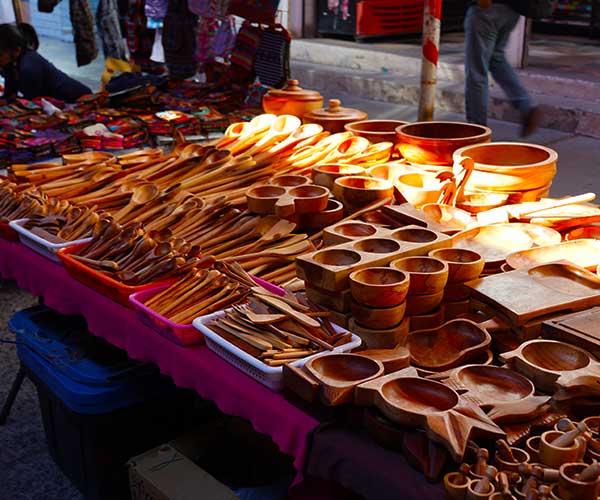
Tlacolula's Sunday market is less polished than the city-centre markets — and that is exactly why it is worth the trip.
How to visit Tlacolula without rushing
Go on Sunday morning and give yourself several hours. The market is much more enjoyable when you have time to wander rather than trying to arrive, photograph three stalls and leave.
Combine it with other destinations in the Central Valleys if you have a full day. Teotitlán del Valle, Mitla and Yagul can all form part of a wider day trip, depending on your transport and interests.
Best reason to go
Go to Tlacolula for the atmosphere and regional context, not because it has the prettiest stalls. If you want polished souvenir shopping, stay in Oaxaca City. If you want to see how a traditional regional market actually works, Sunday in Tlacolula is far more interesting.
Mercado Sánchez Pascuas — a quieter local market in the centre
A few blocks from Santo Domingo, Mercado Sánchez Pascuas is an excellent alternative if the larger tourist-famous markets feel overwhelming. It has more than 200 vendors and serves local residents as well as visitors.
The market is divided into areas selling groceries, fruit, vegetables, bread, dairy, meat, regional sweets, mezcal, flowers and prepared food. There are also juice stalls and vendors selling tejate, tortillas and chapulines.
Its history goes back to the early twentieth century, although the market moved to its current location in 1972. The current building has retained much of its traditional character and has undergone relatively few major renovations. :contentReference[oaicite:5]{index=5}
Sánchez Pascuas — Key Facts
- LocationPorfirio Díaz & Tinoco y Palacios
- Current listed hoursDaily · 6:00 AM–7:00 PM
- Best forLocal atmosphere · food · produce
- TryTejate · juices · bread · regional sweets
- Time to allow30–60 minutes
- NearSanto Domingo · historic centre
Mercado de La Merced — breakfast and traditional cooking
Mercado de La Merced, also called Mercado Democracia, is another long-established market in central Oaxaca. Its origins go back to the nineteenth century, while the current market building opened in 1973.
This is a particularly good market if you want a traditional breakfast or an unfussy local meal. The food stalls serve dishes including mole, memelas, tlayudas, enfrijoladas, entomatadas, enchiladas, eggs, barbacoa, empanadas and other regional dishes.
There is also a strong everyday-shopping side: fruit and vegetables, tortillas, groceries, meat, bread, clothing and other goods. That combination makes La Merced feel less like a tourist attraction and more like a neighbourhood market.
The official tourism information says the market has more than 250 vendors and includes public bathrooms, a Banorte ATM and several entrances around Avenida Morelos and Nicolás del Puerto. :contentReference[oaicite:6]{index=6}
Go early for breakfast
If your priority is traditional breakfast rather than general shopping, morning is the time to come. Oaxaca's markets are working spaces, and many of the best food experiences happen earlier in the day rather than late in the afternoon.
Central de Abastos — the enormous local market
Central de Abastos is the market to visit when you want to see Oaxaca's commercial scale rather than its tourist-friendly centre. It is one of the largest and most important markets in southern Mexico, bringing products from different regions of Oaxaca into one huge commercial space.
You will find fruit and vegetables, meat, seafood, dairy, bread, prepared food, clothing, shoes, household goods, flowers, crafts and much more. The market also connects with transport routes serving communities around the state.
This is not the market I would recommend for a first-hour-in-Oaxaca stroll. It is large, busy and much less curated for visitors. But if you enjoy food markets, photography, regional commerce or seeing how a city actually feeds itself, it is fascinating.
Travel With Pipa tip
Go with a clear reason for visiting and preferably during daylight. Keep your valuables secure, carry only what you need, and avoid wandering into unfamiliar areas simply because they look interesting. This is a working wholesale and retail market, not a tourist attraction.
The official Oaxaca tourism information describes Central de Abastos as a major distribution point for products arriving from across the state's eight regions and states that it operates every day of the year. :contentReference[oaicite:7]{index=7}
More Oaxaca markets worth knowing
Oaxaca City has far more markets than the famous four or five that appear in most travel guides. You do not need to visit all of them, but a few are useful depending on your interests.
Mercado de La Noria
La Noria is one of the municipal markets serving the city beyond the main tourist centre. It is useful if you are staying in the southern part of Oaxaca or want to see a more neighbourhood-focused market rather than a destination market.
Mercado IV Centenario
Located near the historic centre, IV Centenario is another traditional municipal market with everyday products and food. It is a better choice for travellers interested in ordinary local commerce than souvenir shopping.
Mercado Gastronómico de Zaachila
Zaachila is another worthwhile option if your Oaxaca itinerary already takes you into the Central Valleys. It is particularly interesting for food and regional cooking and can be combined with other destinations outside the city.
Markets versus artisan villages
One important distinction: Oaxaca's city markets are not the same as visiting the communities where particular crafts are produced. For black clay, consider San Bartolo Coyotepec; for many woven textiles, Teotitlán del Valle; and for wood-carved alebrijes, Arrazola and surrounding communities are more directly connected to the production tradition.
Match the market to your interest
- Traditional food20 de Noviembre · La Merced
- Mezcal + ingredientsBenito Juárez
- Crafts in the cityMercado de Artesanías
- Regional market experienceTlacolula · Sunday
- Local everyday commerceSánchez Pascuas · Central de Abastos
- Craft production villagesTeotitlán · Coyotepec · Arrazola
Full comparison: Oaxaca markets at a glance
| Market | Best for | Time to allow | When to go | Area |
|---|---|---|---|---|
| Mercado 20 de Noviembre | Traditional Oaxacan food Food pick | 1–1.5 hr | Morning–afternoon | Centro |
| Mercado Benito Juárez | Food, mezcal, snacks, shopping | 45–90 min | Morning–evening | Centro |
| Mercado de Artesanías | Crafts and textiles Crafts pick | 45–90 min | Daytime | Centro |
| Tlacolula | Regional life and Sunday tianguis Sunday pick | 2–4 hr | Sunday | Central Valleys |
| Sánchez Pascuas | Local food and everyday shopping | 30–60 min | Morning–afternoon | Centro |
| La Merced | Breakfast and traditional cooking | 45–90 min | Morning | Centro |
| Central de Abastos | Large-scale local commerce Most local | 1–2 hr | Daytime | Outside historic core |
| IV Centenario | Neighbourhood market | 30–60 min | Morning | Centro |
| La Noria | Everyday local shopping | 30–60 min | Morning | Southern Oaxaca |
| Zaachila | Regional food and Central Valleys | 1–2 hr | Daytime | Outside Oaxaca City |
Practical information: food, money and shopping
How much time do you need for Oaxaca's markets?
You can see the two main central markets in a single morning. Start at Mercado 20 de Noviembre for breakfast, walk through Benito Juárez afterwards, and then continue towards the Mercado de Artesanías if you are shopping for crafts.
If you have a Sunday available, make Tlacolula a separate half-day or full-day outing rather than trying to squeeze it between city attractions. The scale and atmosphere are completely different.
What should you eat in Oaxaca markets?
Start with the classics: tlayudas, memelas, quesillo, tasajo, cecina, chorizo, mole, empanadas, tejate, chocolate and chapulines. Oaxaca's food culture is much broader than this list, but these are useful entry points for a first visit.
Do not feel obliged to order an enormous meal every time. Markets are perfect for sharing several small things. One breakfast at La Merced, a snack at Benito Juárez and lunch at 20 de Noviembre can give you a much wider taste of Oaxaca than sitting down to one expensive tasting menu.
Is market food safe?
Use the same common-sense precautions you would use at any busy food market. Choose stalls with high turnover, look for food being cooked fresh and served hot, and be cautious with raw ingredients that have been sitting unrefrigerated for long periods. Carry hand sanitiser and drink bottled or otherwise safe water.
Should you bargain in Oaxaca markets?
It depends on what you are buying. Bargaining can be more appropriate for certain crafts and larger purchases than for prepared food or everyday groceries. Don't turn every purchase into a negotiation over a tiny amount — especially when the person selling it is making the product themselves.
What should you buy in Oaxaca?
Edible souvenirs are easy: chocolate, coffee, mole pastes, dried chillies, sweets and mezcal, subject to your airline and destination's customs rules. For crafts, look for textiles, ceramics, black clay, baskets, jewellery and wood carvings. If you buy something fragile or expensive, ask about packing and keep documentation.
How to get around the markets
The central markets are walkable from one another and from the Zócalo. For markets outside the historic centre, taxis or organised day trips are usually easier than trying to navigate several local transport changes with limited time. For Tlacolula and other Central Valley destinations, check the return journey before committing to a long market morning.
Oaxaca's markets are not attractions built for travellers. They are places where people buy food, sell what they produce, meet their neighbours and keep traditions moving forward. That is exactly what makes them worth visiting. Travel notes, September 2026